

When most of us think about estate planning, we picture paperwork, legal jargon, and a to-do item that keeps sliding to the bottom of the list. But at its heart, estate planning is something much more personal: it is one of the most loving things you can do for the people who depend on you.
A good plan answers the hard questions before your family has to. Who will care for your children if something happens to you? Who can make medical and financial decisions if you are unable to? How will your assets pass to the people you choose, with as little stress, delay, and confusion as possible?
Estate planning for families is not just for the wealthy or the elderly. It matters for new parents, for growing families, for homeowners, for business owners, and for anyone who wants to make future decisions easier for the people they love. The goal is simple: clarity, protection, and peace of mind.
Below, we walk through the basics every family should understand, in plain language, so that taking the first step feels manageable instead of overwhelming.
In this guide:
Wills vs. trusts: what's the difference?
Power of attorney: planning for the unexpected
Choosing a guardian for your children
Understanding probate: privacy, delays, and costs
Common estate planning mistakes to avoid
What to expect when you get started
Frequently asked questions
Wills vs. Trusts: What's the Difference?
Two of the most common estate planning tools are wills and trusts. Both help you decide who receives your assets, but they work differently, and the right choice depends on your family, your property, and your goals.
A will is a legal document that spells out how you want your assets distributed after you pass away. It is also where you can name a guardian for your minor children. A will generally goes through the probate process, which we cover below.
A trust is an arrangement in which assets are held and managed for your beneficiaries according to instructions you set. Depending on how it is set up, a trust can help families avoid some of the delays, costs, and public exposure that can come with probate, and it can provide a roadmap for how and when loved ones receive what you leave them.
Neither tool is automatically "better." Many families benefit from a combination of documents, and the best way to know what fits your situation is to talk it through with an attorney who can look at the full picture.
Power of Attorney: Planning for the Unexpected
Estate planning isn't only about what happens after you die. It is also about what happens if you become unable to make decisions for yourself because of an accident, illness, or age.
That is where power of attorney documents come in. These documents let you choose a trusted person to handle financial matters, and in many cases health care decisions, on your behalf if you are incapacitated. Without them, your family may have to go through a court process just to gain the authority to pay bills, manage accounts, or speak with doctors, often at the very moment they are most stressed.
Choosing someone you trust, and putting that choice in writing while you are healthy, spares your loved ones guesswork and gives you a say in who steps in.
Choosing a Guardian for Your Children
For parents, this is often the heart of the matter. If something happened to you, who would raise your children?
It is not an easy question to sit with, which is exactly why so many parents put it off. But if you have minor children and no plan in place, a court may end up deciding who cares for them. Naming a guardian for your minor children in your legal documents lets you make that choice, based on your values, your family, and the person you trust most.
A few things to think about as you decide:
Who shares your values and parenting approach?
Who is willing and able to take on this responsibility, and have you asked them?
Do you want to name a backup in case your first choice cannot serve?
How will your children be financially supported, and who will manage those assets for them?
There is no perfect answer, only the one that feels right for your family. Putting it in writing gives everyone involved clarity and confidence.
Understanding Probate: Privacy, Delays, and Costs
Probate is the court-supervised process of validating a will, settling a person's final affairs, and transferring their assets to the right people. It is a word many families have heard but few fully understand.
Probate exists for good reasons, but it can come with trade-offs that are worth knowing about:
Privacy. Probate is generally a public process, which means details about your estate may become part of the public record.
Delays. Court processes take time, and families may wait before assets can be distributed.
Costs. Court fees, legal fees, and other expenses can add up.
The specifics depend on your circumstances and the laws where you live. The key takeaway is that how you structure your plan affects how smoothly things go for your loved ones. Understanding probate now helps you decide whether tools like trusts make sense for your family.
Common Estate Planning Mistakes to Avoid
A lot of well-meaning families run into trouble because of assumptions that sound sensible but don't always hold up.
"I'll just add my adult child to my house or bank account." It can feel like a simple shortcut, but adding an adult child to property or financial accounts is not always the best solution. It can create unintended consequences, from exposing the asset to that child's own financial or legal problems to complicating how things are shared among your other children. A conversation with an attorney before retitling anything can save a lot of heartache later.
"Estate planning is only for people with a lot of money." Estate planning is about protecting your family and making your wishes known, whatever the size of your estate. If you have children, a home, or anyone who relies on you, a plan matters.
"I'm too young to worry about this." Unexpected events don't wait for a convenient age. New parents in particular have a lot to protect.
"I'll get to it eventually." This one is the most common of all, and the most costly. The best plan is the one that actually gets put in place.
What to Expect When You Get Started
The hardest part of estate planning is usually the first step. The process itself is more approachable than most people expect.
A conversation. You talk through your family, your assets, and your goals with an attorney who listens and explains your options in plain language.
A plan built around you. Together you decide which documents fit, such as a will, a trust, power of attorney documents, and guardian nominations for minor children.
Clear, finished documents. Your attorney prepares your documents and walks you through them so you understand exactly what each one does.
Peace of mind. Once your plan is signed and in place, your family has a roadmap instead of a mystery.
You don't need to have every answer before you begin. Bring your questions, and your attorney will help you work through the rest.
Frequently Asked Questions About Estate Planning
Who needs an estate plan?
Anyone with children, a home, or people who rely on them. Estate planning isn't only for the wealthy or the elderly. It is about protecting your family and making your wishes known, whatever the size of your estate.
What is the difference between a will and a trust?
A will spells out how your assets are distributed after you pass away and lets you name a guardian for minor children. A trust is an arrangement where assets are held and managed for your beneficiaries according to your instructions. Many families use a combination of documents.
What does a power of attorney do?
It lets you choose a trusted person to handle financial matters, and in many cases health care decisions, if you become unable to make them yourself.
What happens if I don't name a guardian for my children?
If you have minor children and no plan in place, a court may end up deciding who cares for them. Naming a guardian in your legal documents lets you make that choice.
What is probate?
Probate is the court-supervised process of validating a will, settling a person's final affairs, and transferring their assets to the right people. It is generally public, can take time, and can involve court and legal costs.
About Curry Legacy Law
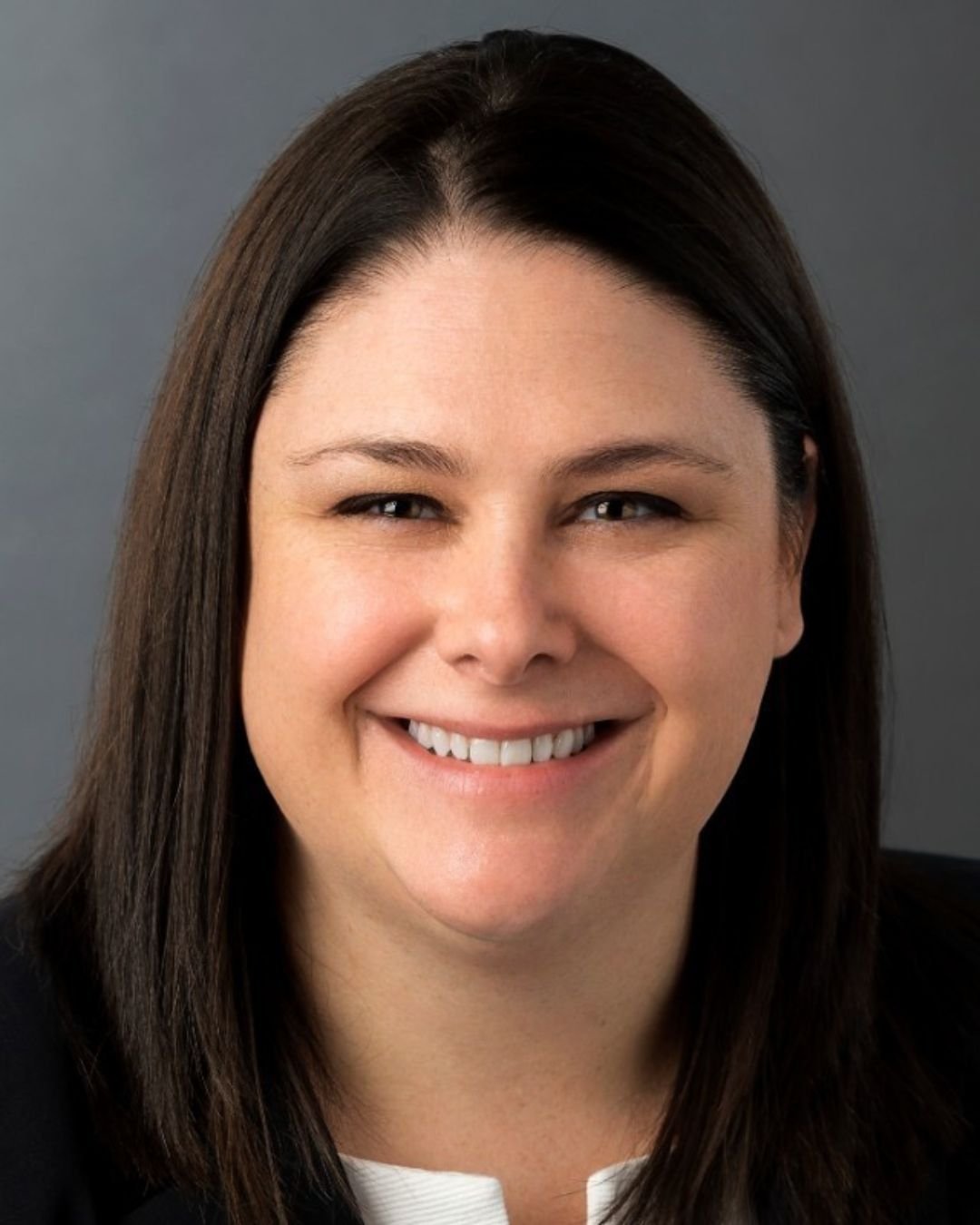
Laura Curry
Founder of Curry Legacy Law
Laura Curry is the Founder and Principal Attorney of Curry Legacy Law, where she helps individuals and families protect their wealth, plan for the future, and create lasting legacies. With more than 15 years of legal experience, Laura focuses on estate planning, elder law, trust and estate administration, and wealth preservation strategies.
Known for her thoughtful, personalized approach, Laura guides clients through important legal decisions with clarity and confidence. Her experience includes developing comprehensive estate plans involving wills, revocable and irrevocable trusts, guardianship, and incapacity planning. Before founding Curry Legacy Law, she served as the Managing Attorney of an estate planning practice in Annapolis, Maryland.
Laura is passionate about making estate planning more approachable and helping families protect what matters most for generations to come.
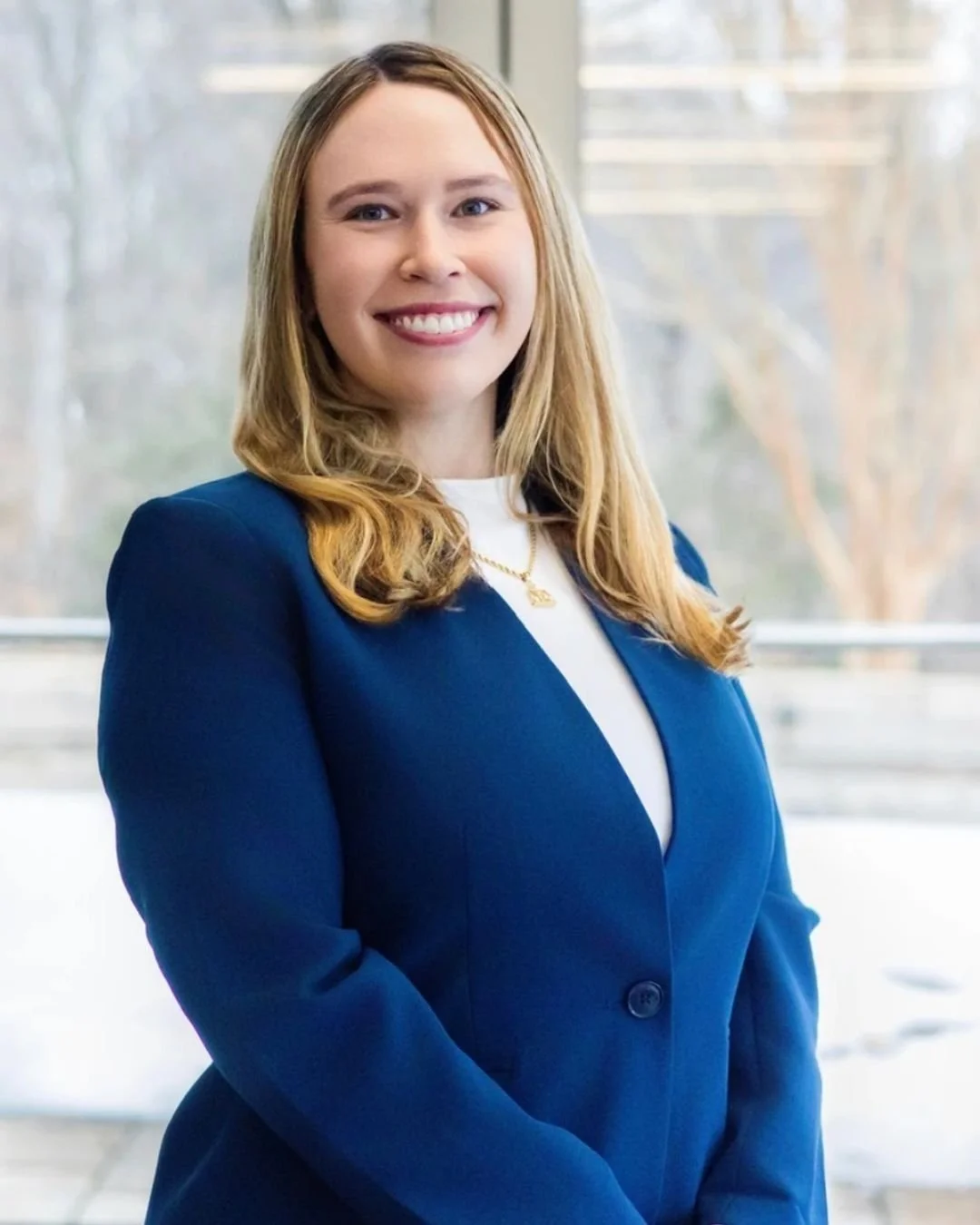
CRISTOL WAGNER HARVARD
SENIOR ATTORNEY
Laura is joined by Senior Attorney Cristol Wagner Havard, who focuses her practice on estate planning, probate, and trust administration. Cristol helps individuals and families create personalized estate plans that protect their assets, preserve their wishes, and give them peace of mind. She also guides Personal Representatives, Successor Trustees, and Beneficiaries through the trust and estate administration process with clear communication and responsive service. Cristol began law school expecting to focus on international law, but she soon realized she wanted to practice where she could see the real impact of her work on people. Having learned firsthand how much stress and anxiety come with losing a loved one, she set out to help families through it, whether that means easing worries with a secure estate plan or supporting them through estate administration after a loss. Outside the office, she enjoys traveling, reading, and spending time on the water with family and friends. Cristol earned her law degree from the University of Maryland Francis King Carey School of Law, graduated magna cum laude from George Washington University, and is admitted to practice law in Maryland and Washington, D.C.
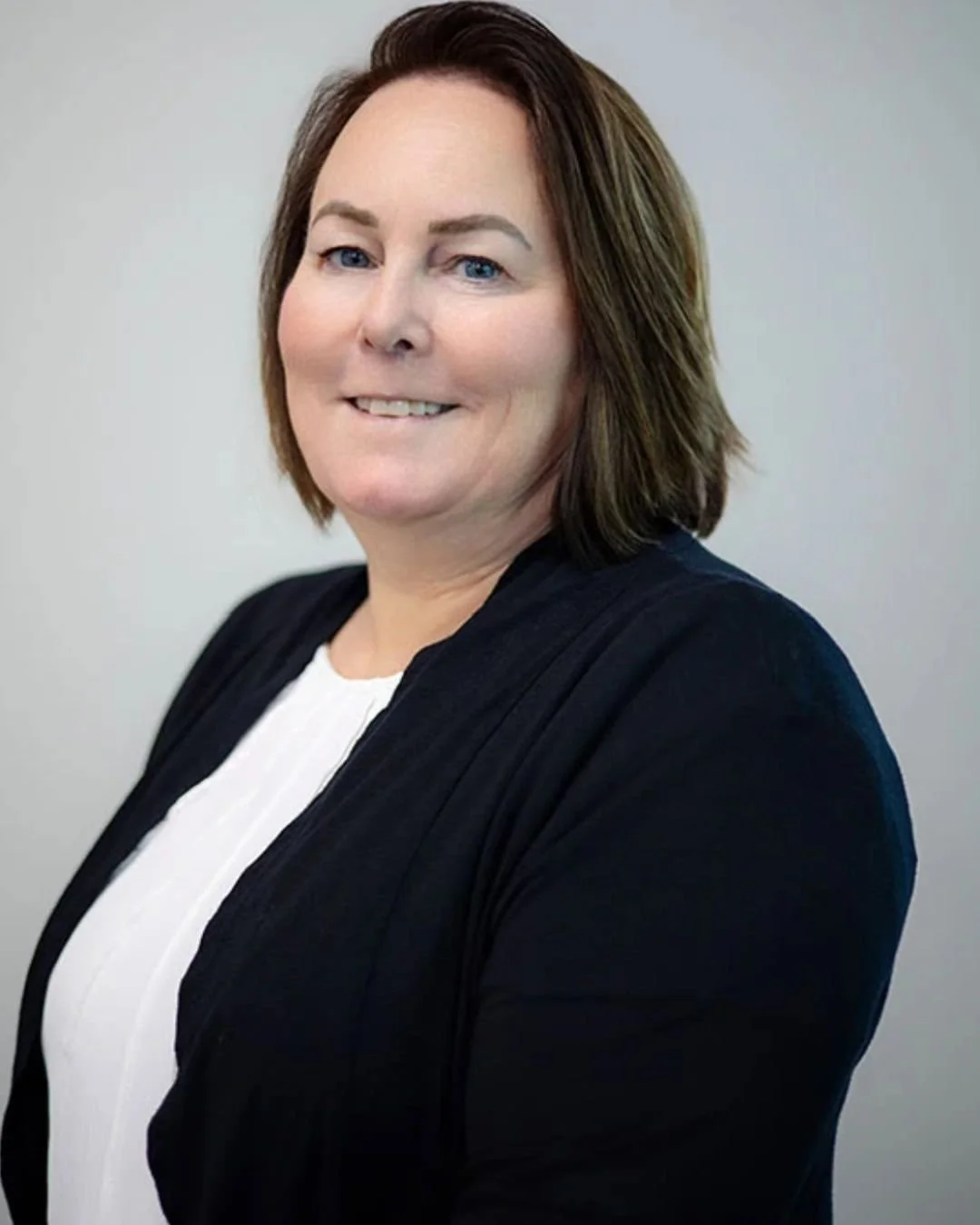
DENA QUINTANA
SENIOR PARALEGAL
Senior Paralegal Dena Quintana rounds out the team. She has more than six years of estate planning experience and a 25-year career as a licensed insurance producer before that. Dena assists individuals and families with wills, trusts, asset protection planning, and trust funding, and her background in risk management and beneficiary designations adds practical, real-world insight to every plan. Clients know her for patient, clear guidance through decisions that can feel complex and emotional, and for making sure everyone feels comfortable, heard, and supported.
Whether you are a new parent wondering who would care for your children, a mom who has been putting off important paperwork, or someone who simply wants to make future decisions easier for the people you love, you don't have to figure it out alone.
Ready to take the first step? Schedule a complimentary consultation with Curry Legacy Law at www.currylegacylaw.com to learn more about estate planning, estate administration, and elder law services, or connect with Laura on LinkedIn.
This article is for general informational purposes only and is not legal advice. Estate planning needs vary by individual and family, and laws differ by jurisdiction. Please consult a qualified attorney about your specific circumstances.
